
Introduction
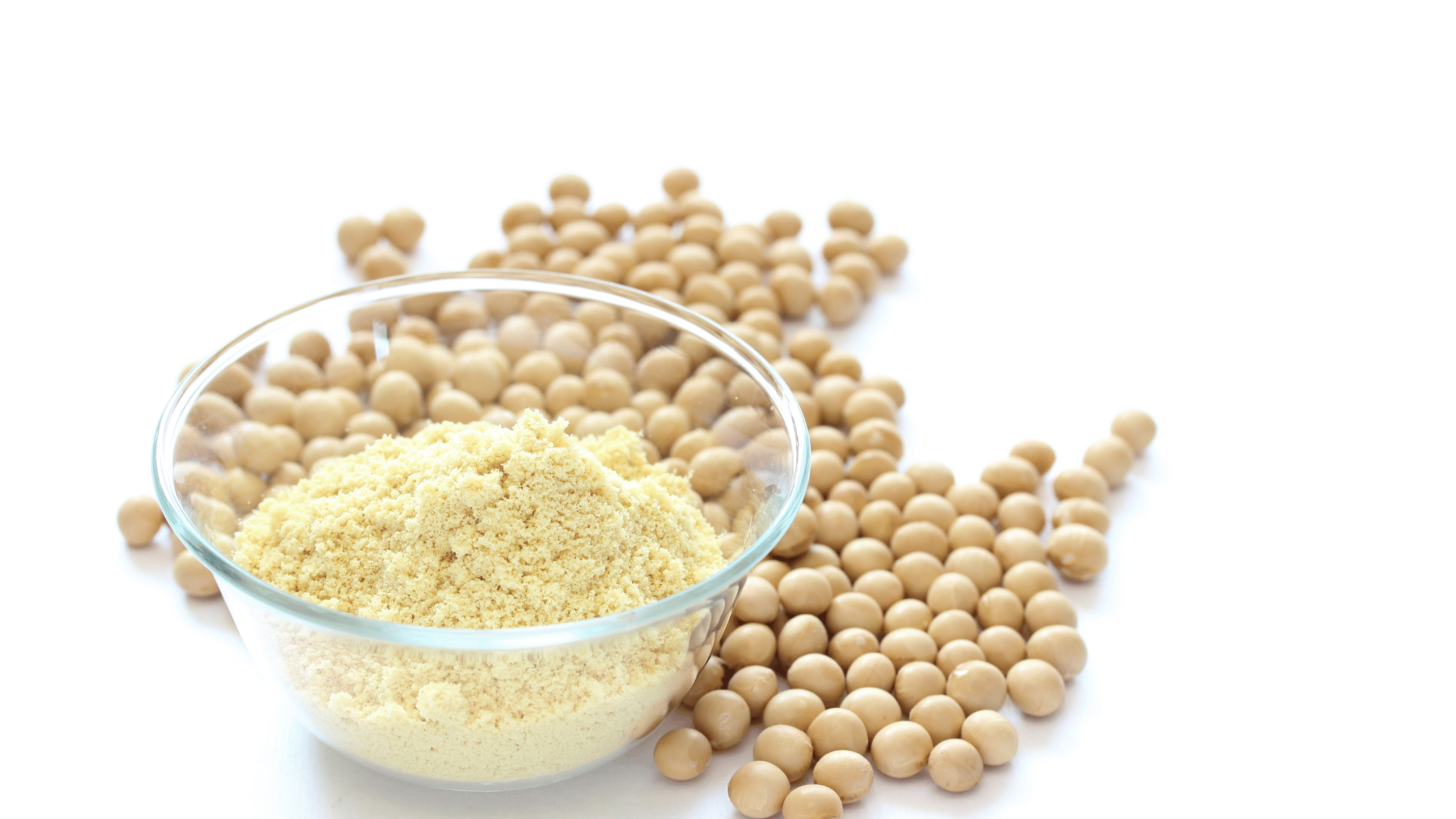
As demand for plant-based protein continues to rise across food, fitness, and health industries, soy protein isolate (SPI) has become one of the most popular ingredients in protein supplements, meat alternatives, and dairy-free products. But while you may recognize it on a label or in your favorite protein shake, have you ever wondered how soybeans are transformed into the fine, highly concentrated protein powder known as soy protein isolate?
The journey from soybean to isolate involves a carefully controlled, multi-step process that ensures purity, safety, and high protein content—often 90% or more. In this article, we take an in-depth look at the detailed steps behind the production of soy protein isolate, highlighting the science, techniques, and technology that turn a humble legume into a high-performance nutritional product.
What Is Soy Protein Isolate?
Before diving into the production process, it’s helpful to understand what soy protein isolate actually is. Soy protein isolate is the most refined form of soy protein, created by removing most of the fats and carbohydrates from soybeans, leaving behind a high concentration of protein.
- Protein Content: 90% or more
- Fat & Carb Content: Minimal
- Uses: Protein shakes, bars, plant-based meats, infant formulas, bakery items
Its neutral flavor, functional properties (like emulsification and water retention), and complete amino acid profile make SPI an ideal ingredient for a wide variety of applications.
Step 1: Cleaning and Dehulling the Soybeans
The journey begins with cleaning the harvested soybeans to remove foreign matter such as stones, stems, dust, or damaged seeds. This ensures product quality and process efficiency later on.
Process Breakdown:
- Air classifiers and screening machines remove debris.
- Beans are then dehulled (skins removed) to improve digestibility and reduce fiber content.
Goal: Remove unwanted material and prepare clean, intact soybeans for processing.
Step 2: Crushing and Flaking
Once cleaned and dehulled, the soybeans are crushed to break the structure and expose the internal proteins and oils. The crushed beans are then rolled into thin flakes to increase surface area and improve extraction efficiency.
Why It Matters:
- More surface area allows better contact with solvents and enzymes in later stages.
- Flaking is especially important for separating oil, fiber, and protein components.
Goal: Physically break down soybeans for more efficient processing downstream.
Step 3: Oil Extraction (Defatting)
Next, the flakes undergo solvent extraction, most commonly using hexane, to remove the majority of the oil. This is a crucial step, as oil and fat can interfere with protein isolation and shelf life.
Process:
- Flakes are soaked in hexane (or another food-grade solvent).
- Oil is dissolved and removed, leaving behind defatted soy flakes.
- The flakes are then desolventized (usually via heat and vacuum) to eliminate residual hexane.
Goal: Produce defatted soy flakes as a base for protein extraction, while recovering valuable soybean oil for other uses.
Step 4: Protein Extraction (Solubilization)
Now that fats are removed, it’s time to extract the protein. This is done by soaking the defatted flakes in water, often at an alkaline pH (typically 8–9) to solubilize the protein into a liquid form.
Process Details:
- pH is adjusted using sodium hydroxide (NaOH) or another food-safe base.
- The protein dissolves, while insoluble fiber and carbs remain suspended.
- The mixture is then agitated and held at a controlled temperature to maximize protein solubilization.
Goal: Extract as much protein as possible into the liquid phase while separating it from fiber and sugars.
Step 5: Separation and Clarification
The protein-rich liquid must now be separated from the remaining solids. This step uses a centrifuge or filtration system to isolate the protein solution from insoluble materials.
Key Equipment:
- Decanter centrifuges or membrane filters help clarify the liquid.
- Solids are discarded or recycled for animal feed or fiber products.
Goal: Obtain a clean, clear protein solution for further processing.
Step 6: Protein Precipitation (Isoelectric Point)
To isolate the protein, the liquid’s pH is adjusted again—this time lowered to the isoelectric point of soy protein (typically pH 4.5–4.8). At this pH, the protein becomes insoluble and precipitates out of solution.
What Happens:
- Acid (often hydrochloric acid or citric acid) is added to reduce pH.
- Protein curds form and settle at the bottom.
- The mixture is then separated again using centrifugation.
Goal: Concentrate the protein into a solid form for drying.
Step 7: Neutralization and Washing
The precipitated protein curds are washed with water to remove excess acid and sugars, then sometimes neutralized back to a neutral pH (pH 6.5–7.0), depending on the end use.
Benefits:
- Improves flavor and solubility
- Removes off-flavors or residual acids
Goal: Clean and stabilize the protein before drying.
Step 8: Drying (Spray Drying or Drum Drying)
Now the protein is in a semi-wet form and must be dried into powder. The most common method is spray drying, where the protein slurry is sprayed into a chamber with hot air. Water evaporates, leaving behind fine soy protein isolate powder.
Alternatives:
- Drum drying (used less frequently due to texture issues)
- Freeze drying (rare due to cost)
Goal: Create a dry, shelf-stable powder that can be packaged and sold.
Step 9: Sieving, Blending, and Packaging
Before it’s ready for distribution, the dried SPI is:
- Sieved to remove clumps or oversized particles
- Blended for consistent texture and quality
- Packaged in food-safe containers (often nitrogen-flushed to extend shelf life)
Some batches may also be fortified with vitamins, minerals, or emulsifiers based on their intended application.
Quality Control and Testing
Throughout the production process, SPI is subject to rigorous quality checks:
- Protein content testing (must meet ≥90% standard)
- Microbiological safety checks
- Moisture content, pH, and ash analysis
- Heavy metal and allergen screening
This ensures every batch meets food safety and nutritional standards before it reaches manufacturers or consumers.
Conclusion
From field-harvested soybeans to the protein-packed powder in your supplement scoop, the production of soy protein isolate is a highly technical, multi-step process that combines food science, chemistry, and precision engineering. Each stage—from cleaning and defatting to extraction and drying—is designed to maximize protein purity while maintaining safety, functionality, and nutritional value.
Understanding these detailed steps helps both consumers and manufacturers appreciate the effort that goes into producing one of the world’s most versatile plant-based proteins. Whether you’re an athlete, a food developer, or a health-conscious eater, soy protein isolate offers a clean, concentrated source of nutrition—made possible through careful scientific craftsmanship.